

How to Create and Stick to a Wedding Budget (Without Losing Your Mind)
Weddings are beautiful, emotional milestones, but they can also bring a lot of pressure. From Pinterest dreams to vendor quotes, it’s easy for costs to get out of hand before you even send the first invitation. But planning a meaningful wedding doesn’t have to mean financial stress. With a little honesty, a few smart decisions, and a focus on what truly matters, you can create a celebration that feels like you, without the overwhelm.
Here’s how to build a wedding budget that supports your vision, respects your resources, and helps you plan with peace.
Start with a Clear, Honest Conversation
Before you dive into spreadsheets or price shopping, take time to talk it through with your partner and, if needed, your family. What’s the total number you’re comfortable spending? Will anyone be contributing financially? Are there any non-negotiables you already know about?
-
-
-
Be honest about what you can afford—not what’s “normal” or “expected.”
-
Consider your values. What feels worth it to you?
-
Set aside a small buffer for those unavoidable surprises.
-
-
A clear starting point will make every decision that follows feel more grounded and less reactive.
Break It Down by What Matters Most
Every couple is different. Some care most about the venue. Others dream about food, flowers, or photography. The key is choosing where you want to invest and where you’re comfortable simplifying. Here’s a general breakdown many couples use:
-
-
-
Venue (30–40%) – This often includes space rental, tables, chairs, and basic setup.
-
Food & Drink (20–30%) – Consider meal type, bar service, and guest count.
-
Photography & Videography (10–15%) – These are the memories that last.
-
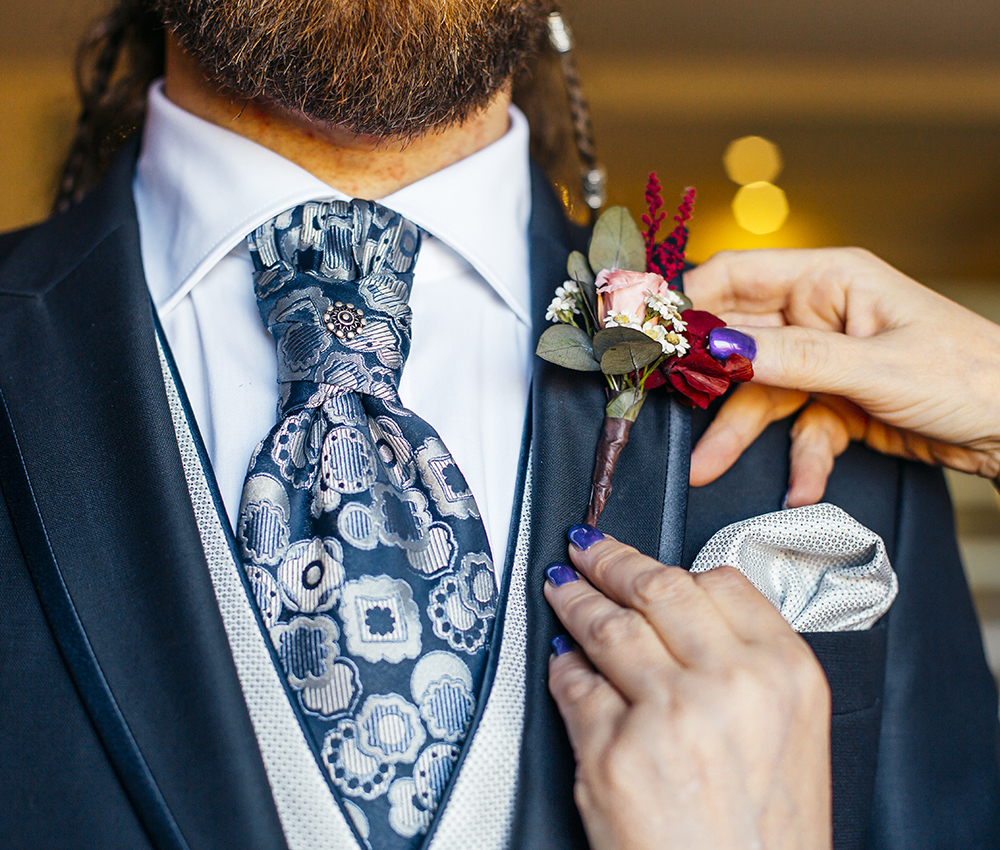
Attire (5–10%) – The dress, the suit, and accessories that make you feel your best.
-
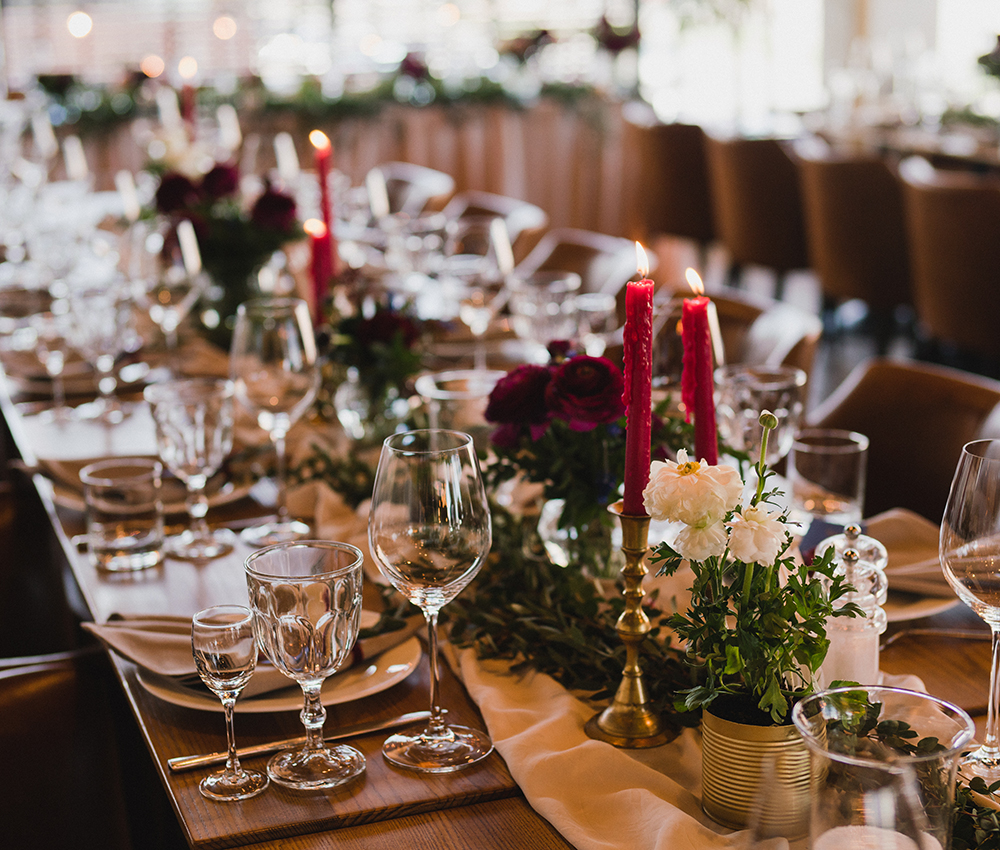
Florals & Decor (5–10%) – Bouquets, centerpieces, and ceremony accents.
-
Entertainment (5–10%) – Whether a DJ or band, music sets the tone.
-
Other Essentials – Think planners, transportation, invitations, and favors.
-
-
This structure helps you stay balanced while allowing flexibility for your priorities.
Stick to the Plan—But Keep Joy at the Center
Budgeting shouldn’t steal your joy—it should support it. Here are a few ways to stay on track without losing heart:
-
-
-
Track everything. Whether it’s a notebook, app, or spreadsheet, know where every dollar is going.
-
Say yes to what matters. If the photos mean everything, invest there. If flowers aren’t your thing, scale back.
-
Be resourceful. Look for ways to repurpose décor, embrace off-season pricing, or explore weekday events.
-
Pause before you purchase. Give yourself breathing room before saying yes to vendors or extras.
-
-
And above all, remember: your budget is a tool—not a burden.
Expect the Unexpected
Even the best-laid plans have a few bumps. Leave 5–10% of your total budget unassigned. That way, when something changes—or you decide to splurge on a last-minute surprise—you’ll have room to adjust without stress.
Final Thoughts
You don’t have to spend endlessly to create a wedding that’s full of beauty, joy, and meaning. With a clear plan and a heart-centered focus, you’ll make space for what really matters—connection, celebration, and the people who are walking beside you. If you’re just getting started and feeling overwhelmed, know this: it’s okay to begin small. Start with what you value, and the rest will follow.